10 Restaurant Management Tips That Actually Work
Practical advice from experienced operators on running a smooth restaurant
10 Restaurant Management Tips That Actually Work
Running a restaurant is one of the most demanding businesses there is. These tips come from operators who've been in the trenches — not consultants who've never worked a Friday night rush.
1. Pre-Shift Meetings Are Non-Negotiable
Five minutes before service starts, gather the team. Cover specials, 86'd items, VIP tables, and any reservations with special requests. This one habit prevents 80% of service mistakes.
2. Track Your Food Cost Weekly, Not Monthly
If you wait until month-end to check food cost, you've already lost money. Weekly reviews catch issues — theft, waste, portion creep — before they destroy your margins.
Target food cost varies by cuisine, but 28-32% is the sweet spot for most casual dining.
3. Your Schedule Is Your Most Powerful Tool
Overstaffing kills profit. Understaffing kills morale and guest experience. Use historical covers data to schedule the right number of people at the right times.
FoodCore's shift tracking shows you exactly how many labor hours went into each revenue dollar, making schedule optimization data-driven instead of guesswork.
4. Fix Problems in 30 Seconds, Not 30 Minutes
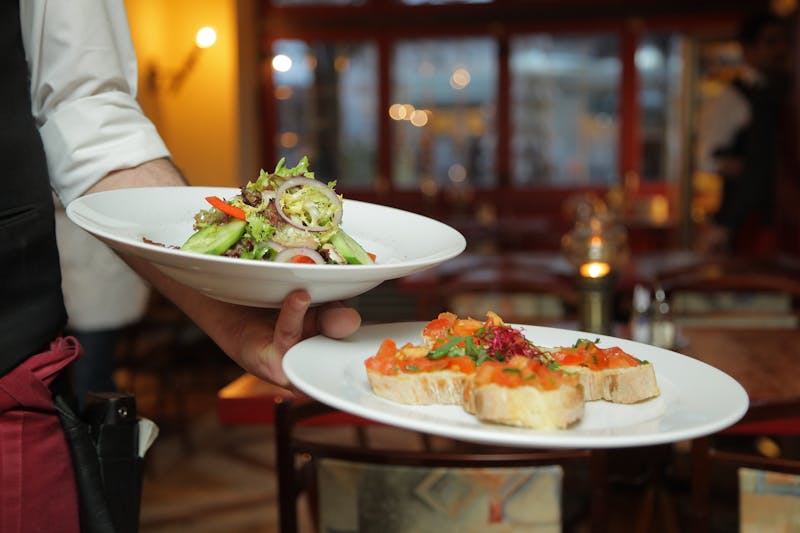
When a dish comes back, when a guest complains, when a ticket gets lost — the first 30 seconds of your response determine whether it becomes a story about great service or a one-star review.
Empower your team to make decisions without finding a manager. A free dessert costs you $3. A bad review costs you $300 in lost revenue.
5. Cross-Train Everything
When your single prep cook calls in sick, who covers? Cross-training isn't about replacing specialists — it's about ensuring service never suffers because of one absence.
6. Inventory Counts Are the Foundation
You can't manage what you don't measure. A proper inventory system with low-stock alerts, expiry tracking, and automatic deduction on order confirmation prevents both waste and 86'd items during service.
7. Menu Engineering Isn't Optional
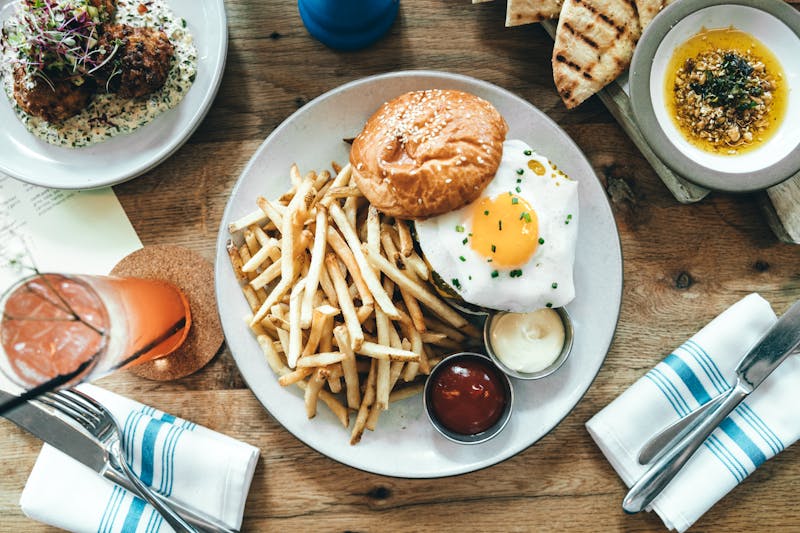
Every dish on your menu should earn its place. Track what sells, what doesn't, and what generates the best margin. Remove underperformers quarterly — a smaller, focused menu outperforms a sprawling one.
8. Communication Systems Beat Shouting
The difference between a chaotic kitchen and a smooth one often comes down to how information flows. A proper KDS, real-time notifications, and a team chat channel replace the old system of shouting across the room.
9. Track Everything, Decide on Patterns
Don't make decisions based on one bad night. Look at weekly trends, monthly averages, and year-over-year comparisons. Restaurant analytics turn gut feelings into informed strategies.
10. Take Care of Your Team
Hospitality has brutal turnover rates. The restaurants that retain staff share common traits: fair scheduling, prompt pay, genuine respect, and a culture where people want to show up.
Investing in your team isn't soft management — it's hard economics. Replacing one trained server costs $3,000-5,000 in hiring, training, and lost productivity.